Which of the Following Fuel Characteristics Contribute to Fire Intensity
Distinct characteristics of fuel will affect fire behavior decision making on the fireline and actions in their removal. And is the fuel that contributes to the spread and intensity of surface fire.
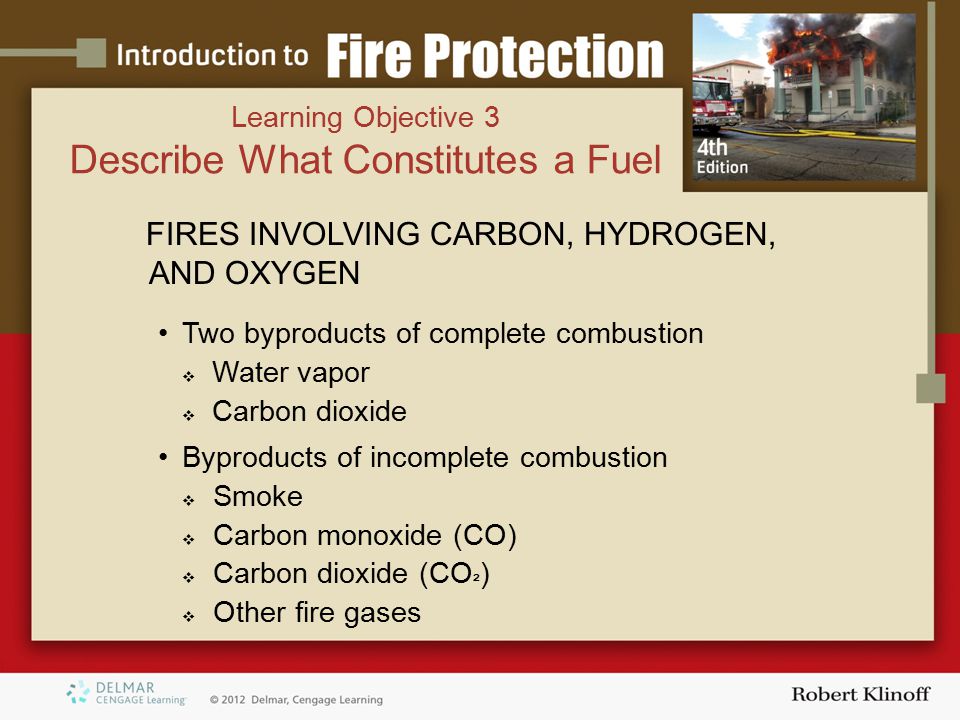
Chapter 4 Fire Related Chemistry And Physics Ppt Video Online Download
Fuel loading Size and shape Compactness Horizontal continuity Vertical continuity Chemical content These six factors are characteristics of the type of vegetative state of the fuel complex.
. Incident Position Description IPD Alignment. There is a 10-fold increase in rate of spread for this afternoon. Very low to extreme intensities wind strong influence ROS 18 to 75 chhr FL 4 to 19 ft.
However their foliage and stems do not significantly contribute to the fuel and therefore the fires intensity. The spread rate of a going fire is 10 chains per hour with three foot flame lengths. Subsurface Fuelsinclude roots peat and other decomposed organic matter.
Plants that are fire-resistant have the following characteristics. On a yearly basis grazing can reduce the amount and alter the continuity of fine fuels changing wildlife fire spread and intensity. Unusual Fine Fuels.
I Hwr where I intensity kWm H heat yield of fuel Jg w fuel consumed kgm 2 r spread msec. Al- though fire-resistant plants can be damaged or even killed by fire their foliage and stems dont. Over years and decades grazing can alter fuel characteristics of ecosystems.
This type of fuel is typically described by the following fuel components. This relationship is described by Byrams fire intensity equation. Fire intensity wind speed fuel types fuel homogeneity and continuity and topography Catchpole 2002The shape of small fires appears to be controlled primarily by the fuels through which they burn eg Díaz-Delgado et al 2004.
The location of a plotted point represents the character of a fire which can range from a fast spreading low intensity fire to a slow spreading high intensity fire. High Dead-to-Live Ratio. Johnson in Plant Disturbance Ecology 2007 Fire Shape.
Herbaceous live or dead shrub live or dead downeddead woody litter and duff. A fire characteristics chart is a graph that illustrates primary fire behavior valuesspread rate and intensity. Of how fuels contribute to fire behavior Table 1 with observations about how fuels management alters the fuel characteristics Table 2 you can set realistic expectations for how fuel treatments will reduce fire risk.
Unusual fine fuels are light flashy fuels mixed with high-energy fuels such as continuous grass mixed with sage. The chart is a visual aid for displaying both observed fire. Fire hazard is directly related to fuel flammability and is a measure of that part of the fire danger contributed by the fuels available for burning FAO 2006.
It is a function of 1 heat yield of fuel kilojouleskg 2 amount of fuel per unit area kgm 2 and 3 the rate of forward spread of fire front kmh. Flashy fuels would be twigs needles and grasses the ignite and burn rapidly. 3-53-S290-EPUnit 3 Fuels Shrub Group Shrub is primary carrier of fire Fuel bed.
The most commonly accepted definition of fire danger is the resultant descriptor of the combination of both constant and variable factors that affect the initiation spread and. What is the Fireline Intensity. Surface Fuelsinclude needles twigs brush leaves small trees and logging slash.
Ladder fuels are tree boughs brush or limbs that are touching the ground. Wildland areas having greater amounts of dead-to-live materials can provide additional fuel for a fire. Loosely layered to very deep Some volatiles may be present Fire Behavior.
Contribute significantly to the fuel and there- fore the fires intensity. The fire dries the fuels above it it makes those fuels available to burn. Fire behavior fuel model 2 --Fire spread is primarily through the fine herbaceous fuels either curing or dead.
The final shape of a burn may depend on many factors. Fuel load or biomass is one of the most influential and easily manipulated fuel variation affective fire intensity Strand et al 2014. Leaves are moist and supple Plants have little dead.
Fuel moisture is another factor. Fire-Resistant Plants No plant is fire-proof but fire-resistant plants will not contribute to furthering fire intensity and are therefore a good choice for landscaping. This unit aligns with the following FFT2 IPD specific duties.
2 to 6 deep Fuel Characteristics. 1 to 80 tonsacre Usually 1 in diameter dead live fuels Compactness. Timber grass and understory Fire spread is primarily through fine herbaceous fuels either curing or dead.
Precisely such variation in fire regime is likely to also contribute to variation in fuel structure vegetation and fire intensity between the two ecosystem types Thaxton Platt 2006 linking. Agricultural land a low-load fuel that reduces fire intensity and allows fire brigades get closer to fire fronts was allocated in the landscape at various annual rates following a scattered. Are included in this fuel model.
Fuels are the main element of the fire triangle that can be manipulated by firefighters. These plants can be damaged or even killed by fire. There were five size classes of downeddead woody fuel used in the LANDFIRE Prototype.
These are surface fires where the herbaceous material besides litter and dead-down stemwood from the open shrub or timber overstory contribute to the fire intensity. What is the expected flame length and fire intensity. Leaves are moist and supple.
Fire-resistant plants are those that do not readily ignite from a flame or other ignition sources such as embers. There are many species of fire-resistant plants in existence most deciduous trees and shrubs are fire-resistant and they share the following characteristics. Livestock grazing is one management technique that has been shown to decrease fine fuel loading and subsequent wildfire severity Davies et al 2010.
Fuel factors important to wildland fire behavior. Ultimately the methods selected for fuels reduction see Box 2 will be determined by a combination of. These are surface fires where the herbaceous material in addition to litter and deaddown stemwood from the open shrub or timber overstory contributes to the fire intensity.
What is the Heat per Unit Area. However how grazing-induced fuel alterations affect wildland fire depends on weather conditions and plant community characteristics. These fuel factors can vary with both time and space but generally.
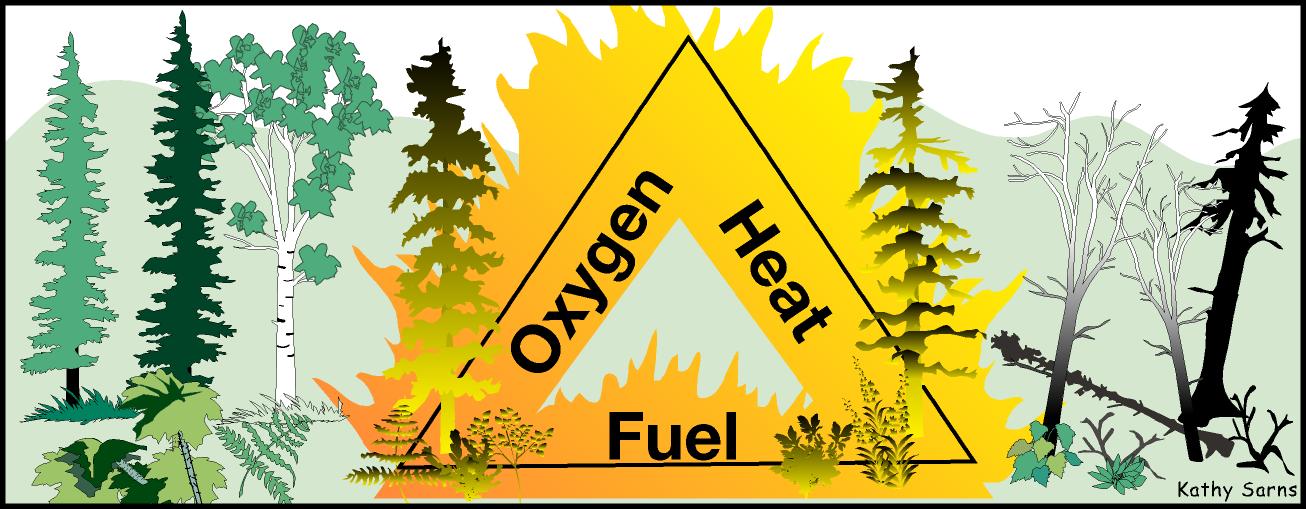
Wildfire 101 The Fire Triangle And The Fire Tetrahedron Redzone
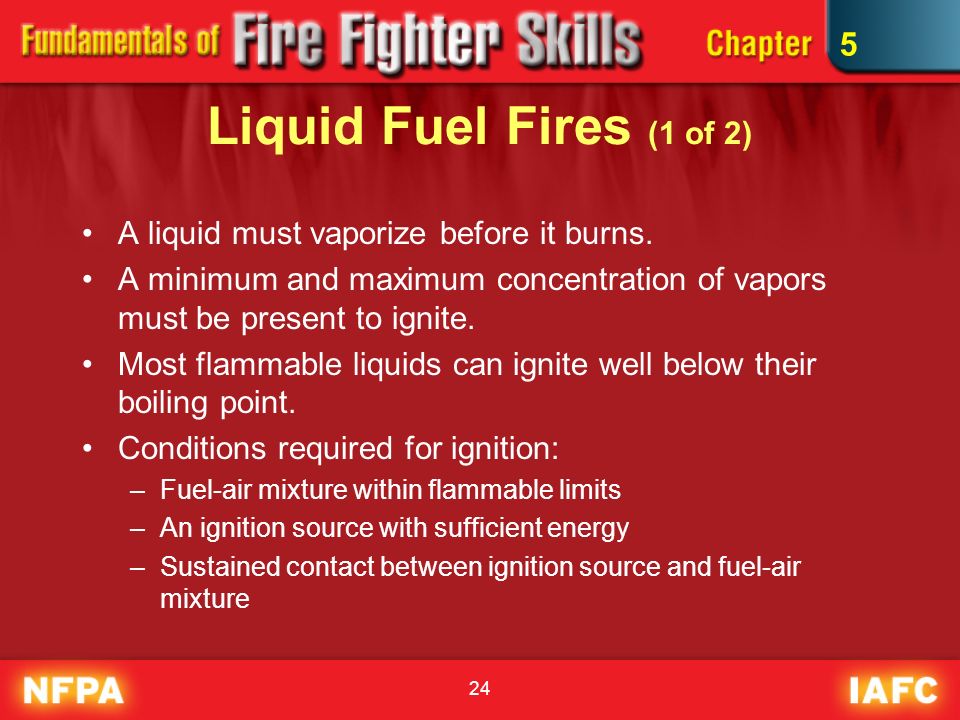
Fire Behavior Ppt Video Online Download
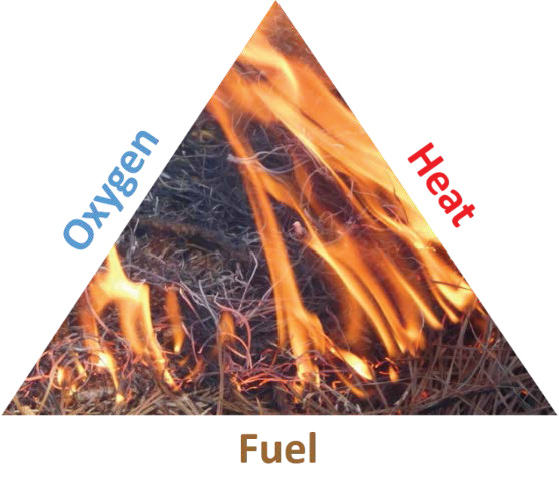
Prescribed Fire The Fuels Component Alabama Cooperative Extension System


Comments
Post a Comment